The Pump Is the Heart of Your Pool
Without a working pump, water stops moving through the filter, chlorine is not distributed, and algae can take hold within days. That is why a pump problem should be handled quickly, especially during warm weather when water quality changes fast.
Pumps run for many hours a day, so wear is normal. Bearings get loud, seals start to drip, impellers clog with debris and motors overheat. Many of these issues can be repaired without replacing the entire pump when they are caught early.
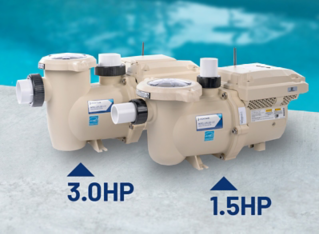
Common Pump Problems We Repair
Call us if your pool pump shows any of these signs:
- Loud grinding, screeching or humming noises
- Water leaking around the pump or motor
- Air in the pump basket or trouble holding prime
- Weak flow at the return jets
- The motor hums but does not start
- The pump shuts off on its own or trips the breaker
- A cracked pump lid or housing
Our Pump Repair Process
We start by checking power, the motor, the capacitor, the impeller and the seals, along with the plumbing on the suction side where air leaks often begin. Finding the exact cause keeps the repair focused and avoids replacing parts that are still good.
Once we know what is wrong, we explain whether a repair or a replacement is the better value. If your pump is older and inefficient, we can also talk about variable speed pump options that use less energy. With 20 years of experience behind every visit, our goal is to get water moving again and keep it moving.
Pool Pump Questions
Why is my pool pump so loud?
A loud pump often points to worn motor bearings, debris in the impeller or the pump running without enough water. Each has a different fix, so a proper diagnosis matters.
Is it safe to keep running a leaking pump?
A small drip can quickly get worse and damage the motor. It is best to have a leak looked at soon rather than waiting.
Related Services
Related reading: Signs your pool pump is failing